Respiratory Testing Enters a Period of Recalibration
As pandemic-era practices give way to more tailored strategies, laboratories are reconsidering how much respiratory testing is appropriate for different patients and clinical situations.

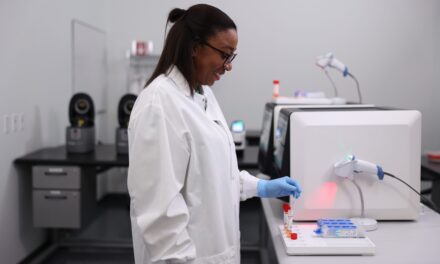
As pandemic-era practices give way to more tailored strategies, laboratories are reconsidering how much respiratory testing is appropriate for different patients and clinical situations.

FDA clearance of the BD Onclarity Self-Collection Kit in April 2026 enables at-home HPV testing for cervical cancer screening, expanding access and addressing barriers for under-screened populations.

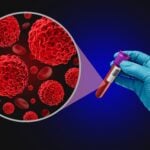





The FDA has cleared Roche's Elecsys pTau217 blood test to aid in identifying Alzheimer disease amyloid pathology, marking the first single-biomarker assay for both rule-in and rule-out use on existing lab instruments.






Ataraxis AI’s laboratory has received CAP accreditation and a California clinical lab license, expanding clinician access to its AI-powered breast cancer platform.

A study found that use of IBS-Smart and Trio-Smart tests was linked to fewer colonoscopies and lower diagnostic costs among adults with suspected irritable bowel syndrome.

Exome sequencing identified genetic causes in 12% of unexplained premature ovarian insufficiency cases, according to University of Tartu researchers, highlighting potential for broader genetic testing.

A new ultrasensitive blood test may detect Sjögren’s disease more than 10 years before symptoms appear by identifying chronically elevated interferon alpha levels in patient blood samples.

Labcorp has announced the upcoming launch of the Marker by Labcorp Genetic Health Panel, which will analyze 163 genes linked to over 100 medically actionable conditions, with results supported by licensed genetic counselors.

Seed Healthcare has led a strategic investment in Diadem to support US commercialization of AlzoSure Predict, a blood-based Alzheimer’s diagnostic recently validated in over 900 patients and designated a Breakthrough Device by the FDA.

A University of Exeter study finds that adding a genetic risk score to MODY testing can identify hidden type 1 diabetes in 16% of patients with negative genetic results, supporting updated NHS diagnostic protocols.
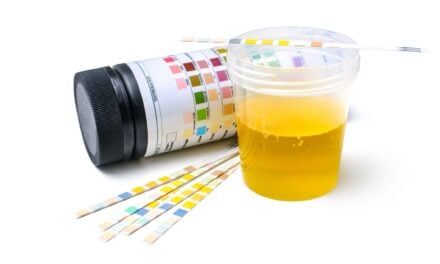
A Johns Hopkins study reports that adding three urine biomarkers to standard assessments raises the accuracy of predicting deceased donor kidney transplant success from 80% to 86%.

The Cystic Fibrosis Base assay has received IVDR accreditation, ensuring high standards for detecting cystic fibrosis mutations.
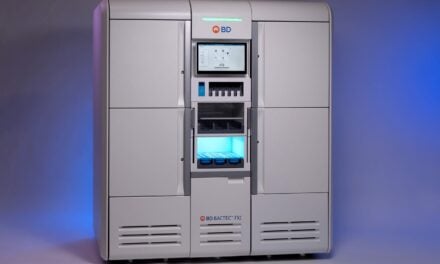
The BD BACTEC FXI Culture System reduces detection time for bloodstream infections by approximately three hours compared to previous models.