Can a Blood Test Identify Head and Neck Cancer Patients at Risk of Recurrence?
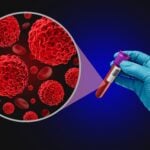
An experimental assay detected residual HPV-related cancer DNA after surgery and was associated with poorer outcomes in an observational study.
Hepta’s blood test identified treatment-eligible MASH patients more accurately than current non-invasive methods in a 528-patient study, according to data presented at the EASL 2026 Congress.
The new recommendations add blood-based testing and multi-target stool testing as options for average-risk adults starting at age 45.
Monitoring circulating tumor DNA dynamics outperformed standard markers for predicting survival and relapse in early-stage patients.
The facility will support the clinical validation of diagnostic kits that provide results via a mobile app without the need for laboratory processing.
AOA Dx presented data at AACR 2026 supporting its AKRIVIS GD Test System, a multi-omic, blood-based assay for early ovarian cancer detection in symptomatic women, reporting an AUC of 0.92 in clinical controls.
The Elecsys NfL test measures a protein associated with nerve cell injury to monitor disease activity in patients with relapsing remitting multiple sclerosis.
The new kit uses Tasso+ collection technology and certified laboratory analysis to monitor 17 health markers, including blood sugar and lipid levels.
Biomarkers in midlife adults without dementia may be linked to the earliest signs of waning cognition, researchers found.
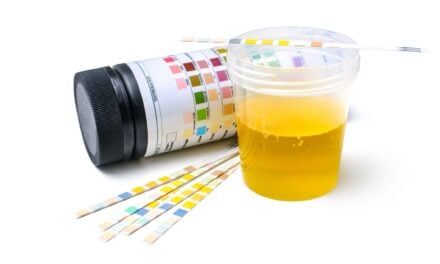
As diabetes testing evolves, labs are seeing growing interest in earlier screening, additional biomarkers, and tools that can support more preventive care.
Insight Molecular Diagnostics has completed clinical validation and received ISO 13485 certification for its GraftAssureDx kidney transplant rejection test kit, moving toward FDA submission, according to the company.
The Cystic Fibrosis Base assay has received IVDR accreditation, ensuring high standards for detecting cystic fibrosis mutations.
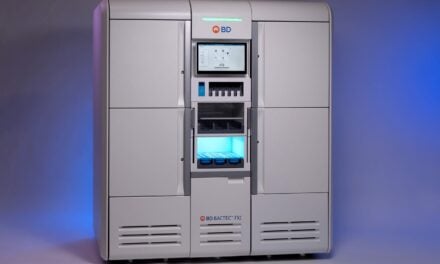
The BD BACTEC FXI Culture System reduces detection time for bloodstream infections by approximately three hours compared to previous models.