Building a Better Picture of Cancer
Clinical labs are adopting broader cancer diagnostics—including whole-genome sequencing and multi-omic testing—to deliver more comprehensive molecular insights and improve disease monitoring.
HerAnova Lifesciences reported real-world data on its HerResolve multi-omic blood test for endometriosis at the 2026 Midwest Reproductive Annual Symposium, showing consistent performance across 197 cases in diverse clinical settings.
As Cyclospora infections surge in the US, laboratories face increased pressure to quickly differentiate cases, with the CDC reporting 1,947 confirmed infections and 98 hospitalizations across nine states as of July 24.
Labcorp has announced the upcoming launch of the Marker by Labcorp Genetic Health Panel, which will analyze 163 genes linked to over 100 medically actionable conditions, with results supported by licensed genetic counselors.
A new study presented at ADLM 2026 shows a high-sensitivity biosensor can quantify the ESAT-6 protein in blood, distinguishing active tuberculosis from latent infection and other lung diseases.
Researchers identified coordinated lipid, metabolite, and protein signatures in symptomatic patients, supporting a multi-omic strategy for earlier ovarian cancer detection.
A new ultrasensitive blood test may detect Sjögren’s disease more than 10 years before symptoms appear by identifying chronically elevated interferon alpha levels in patient blood samples.
The assay measures lipoprotein(a) levels in molar units to improve cardiovascular risk assessment and standardization across laboratories.
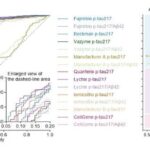
ALZpath and Alamar Biosciences have expanded their partnership, granting Alamar commercial rights to use ALZpath’s pTau217 antibody in clinical blood tests for Alzheimer’s disease.
Researchers from Charité – Universitätsmedizin Berlin report that steatotic liver disease subtypes often shift over time, with 36% of MetALD patients reclassified within six months, suggesting a need for dynamic disease monitoring.
Elevated donor-derived cell-free DNA levels are linked to higher kidney transplant failure risk, suggesting earlier detection of allograft injury before loss of kidney function.
The Cystic Fibrosis Base assay has received IVDR accreditation, ensuring high standards for detecting cystic fibrosis mutations.
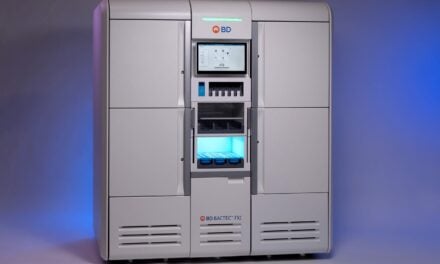
The BD BACTEC FXI Culture System reduces detection time for bloodstream infections by approximately three hours compared to previous models.