Mount Sinai Researchers Identify Blood RNA Biomarkers for Alzheimer’s Detection
The study highlights the role of brain-derived nanoparticles in identifying the disease through minimally invasive testing.
Elevated donor-derived cell-free DNA levels are linked to higher kidney transplant failure risk, suggesting earlier detection of allograft injury before loss of kidney function.
The new recommendations add blood-based testing and multi-target stool testing as options for average-risk adults starting at age 45.
The CIZ1B biomarker assay is designed to complement LDCT screening by helping assess lung cancer risk and clarify indeterminate findings.
The system simultaneously detects RSV, influenza A and B, and SARS-CoV-2 from a nasal swab in under 10 minutes.
A simplified test of HDL's ability to remove cholesterol was associated with high-risk coronary plaques in a study of 61 patients.
The Elecsys NfL test measures a protein associated with nerve cell injury to monitor disease activity in patients with relapsing remitting multiple sclerosis.
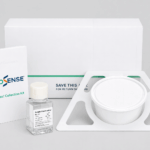
The new kit uses Tasso+ collection technology and certified laboratory analysis to monitor 17 health markers, including blood sugar and lipid levels.
Biomarkers in midlife adults without dementia may be linked to the earliest signs of waning cognition, researchers found.
Research suggests that only 12% of men receiving testosterone prescriptions underwent appropriate testing.
Insight Molecular Diagnostics has completed clinical validation and received ISO 13485 certification for its GraftAssureDx kidney transplant rejection test kit, moving toward FDA submission, according to the company.
The Cystic Fibrosis Base assay has received IVDR accreditation, ensuring high standards for detecting cystic fibrosis mutations.
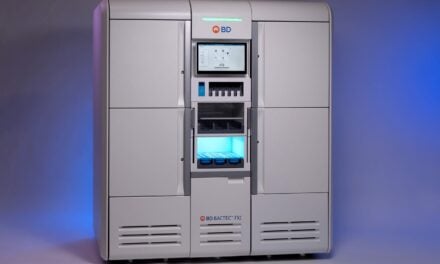
The BD BACTEC FXI Culture System reduces detection time for bloodstream infections by approximately three hours compared to previous models.