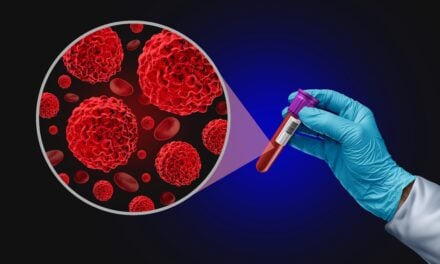
City of Hope Developing Blood Test for Early Colorectal Cancer Detection
The screening tool aims to identify the disease in adults under 50, a population experiencing a significant increase in cases.
The NCCN has updated its bladder cancer guidelines to include FDA-approved ctDNA-based MRD testing for post-surgical risk assessment and adjuvant immunotherapy decisions in muscle-invasive bladder cancer.
With the first FDA-cleared test and clinical guidelines debuting since May 2025, labs are evaluating how blood-based biomarkers fit into diagnostic protocols.
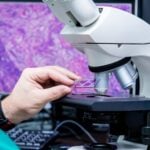
Early results indicate the process could reduce sample preparation time by approximately 40% to 50%, while improving consistency by removing variability linked to staining conditions.
The system simultaneously detects RSV, influenza A and B, and SARS-CoV-2 from a nasal swab in under 10 minutes.
A simplified test of HDL's ability to remove cholesterol was associated with high-risk coronary plaques in a study of 61 patients.
The Elecsys NfL test measures a protein associated with nerve cell injury to monitor disease activity in patients with relapsing remitting multiple sclerosis.
The new kit uses Tasso+ collection technology and certified laboratory analysis to monitor 17 health markers, including blood sugar and lipid levels.
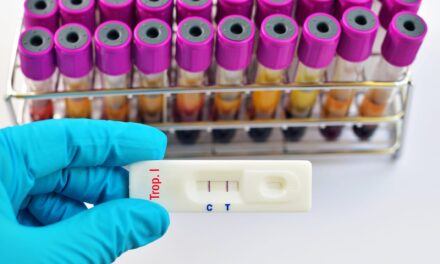
The system uses routine blood draws to provide results in 17 minutes, offering an alternative to invasive diagnostic methods.
Research suggests that only 12% of men receiving testosterone prescriptions underwent appropriate testing.
Insight Molecular Diagnostics has completed clinical validation and received ISO 13485 certification for its GraftAssureDx kidney transplant rejection test kit, moving toward FDA submission, according to the company.
The Cystic Fibrosis Base assay has received IVDR accreditation, ensuring high standards for detecting cystic fibrosis mutations.
The BD BACTEC FXI Culture System reduces detection time for bloodstream infections by approximately three hours compared to previous models.