
UnitedHealth Group Covers Shield Blood Test for Colorectal Cancer Screening
The Shield test is now available to eligible members aged 45 and older, expanding access to screening options for colorectal cancer.
The automated PCR test provides results in 20 minutes to help clinicians diagnose common causes of vaginitis during a patient visit.
The test detect signs of colorectal cancer and precancerous growths using a home collection kit.
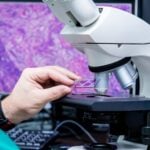
The company’s product, Slideflow Pro, is a scalable and modular platform designed to analyze digitized pathology slides and support the development of AI-based biomarkers that can help answer clinically important questions in cancer care.
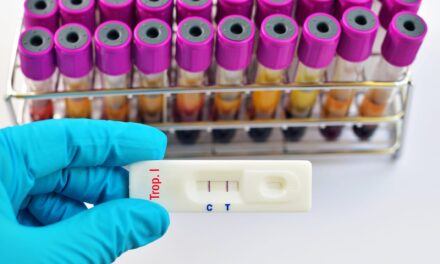
The point-of-care assay provides results in 15 minutes and received a waiver for use in decentralized settings.
A simplified test of HDL's ability to remove cholesterol was associated with high-risk coronary plaques in a study of 61 patients.
As autoimmune and allergy test volumes rise, labs are prioritizing workflow standardization and structured testing pathways to ensure reliable results, according to Santhosh Nair, president of immunodiagnostics at Thermo Fisher Scientific.
The assay measures enzyme activity in plasma to help clinicians identify acute ischemic stroke, which is often missed by standard imaging.
The system uses routine blood draws to provide results in 17 minutes, offering an alternative to invasive diagnostic methods.
Research suggests that only 12% of men receiving testosterone prescriptions underwent appropriate testing.
Elevated donor-derived cell-free DNA levels are linked to higher kidney transplant failure risk, suggesting earlier detection of allograft injury before loss of kidney function.
The Cystic Fibrosis Base assay has received IVDR accreditation, ensuring high standards for detecting cystic fibrosis mutations.
The BD BACTEC FXI Culture System reduces detection time for bloodstream infections by approximately three hours compared to previous models.