
UnitedHealth Group Covers Shield Blood Test for Colorectal Cancer Screening
The Shield test is now available to eligible members aged 45 and older, expanding access to screening options for colorectal cancer.
The NCCN has updated its bladder cancer guidelines to include FDA-approved ctDNA-based MRD testing for post-surgical risk assessment and adjuvant immunotherapy decisions in muscle-invasive bladder cancer.
The CIZ1B biomarker assay is designed to complement LDCT screening by helping assess lung cancer risk and clarify indeterminate findings.
Findings from the OPTIMA trial show that the Prosigna test identifies patients who can safely skip chemotherapy and use hormone therapy alone.
Read MoreResearchers reported that the test reduced unnecessary biopsies by up to 64% without compromising detection of aggressive prostate cancers.
Read MoreThe updated test includes additional DPYD variants recommended by the Association for Molecular Pathology to help identify patients who may be at risk for severe chemotherapy side effects.
Read MoreNew clinical utility data showed that offering a blood-based lung cancer test increased screening participation compared with low-dose CT screening alone.
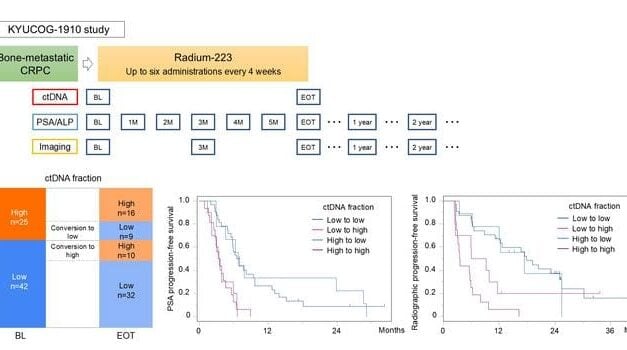
Read MoreMonitoring circulating tumor DNA dynamics outperformed standard markers for predicting survival and relapse in early-stage patients.
Read MoreThe study demonstrated that patients who test positive for ctDNA “actually benefit from chemotherapy.”
Read MoreResearch shows optical genome mapping identifies genomic changes in nearly 98% of T-cell acute lymphoblastic leukemia cases compared to 55% with traditional analysis.
Read MoreThe digital pathology platform provides patient-specific risk estimates to help clinicians tailor treatment for metastatic hormone-sensitive disease.
Read MoreResults from the NHS-Galleri study show a 26% reduction in metastatic cancer diagnoses by the third round of screening.
Read MoreThe diagnostic test identifies specific genetic mutations to help select patients for a targeted therapy combination.
Read MoreThe test uses a new approach to identify signs of cancer recurrence with faster result times for healthcare providers and patients.
Read MoreClinical results show high sensitivity for colorectal cancer relapse and ultra-low detection limits for lung cancer.
Read MoreThe tissue- and blood-based tests identify patients with specific gene mutations who may benefit from a combination therapy.
Read MoreResults from the PATHFINDER 2 trial show the Galleri test identifies 6.5 times more cancers when used with standard screenings.
Read MoreThe authorization from the New York State Department of Health makes the screening test available in all 50 states.
Read More