Ataraxis AI Laboratory Earns CAP Accreditation and California License
Ataraxis AI’s laboratory has received CAP accreditation and a California clinical lab license, expanding clinician access to its AI-powered breast cancer platform.


Ataraxis AI’s laboratory has received CAP accreditation and a California clinical lab license, expanding clinician access to its AI-powered breast cancer platform.
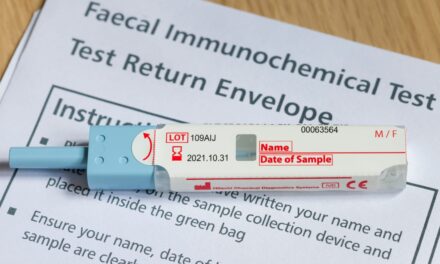
A Rutgers Health study of nearly 500,000 adults finds health system outreach significantly boosts repeat annual FIT colorectal cancer screening, with consistent retesters more likely to receive earlier-stage diagnoses.







The FDA will review GRAIL’s Premarket Approval application for the Galleri multi-cancer early detection blood test on Sept 23, 2026, evaluating data from the PATHFINDER 2 and NHS-Galleri studies.







Labcorp is offering nationwide access to Roche’s FDA-approved VENTANA PTEN (SP218) RxDx Assay, the first IHC companion diagnostic to identify PTEN protein loss in prostate cancer and guide eligibility for combination therapy with capivasertib.
Read More
Clinical labs are adopting broader cancer diagnostics—including whole-genome sequencing and multi-omic testing—to deliver more comprehensive molecular insights and improve disease monitoring.
Read More
Researchers at Johns Hopkins validated an AI-powered blood test that accurately detects liver cancer in diverse populations, using the DELFI platform to analyze cell-free DNA fragments.
Read More
GenomOncology and PacBio have introduced an integrated workflow for somatic whole-genome sequencing in oncology, combining PacBio’s HiFi WGS analysis with GenomOncology’s reporting platform for standardized clinical lab reporting.
Read More
A Johns Hopkins study finds that a single liquid biopsy within nine weeks of immunotherapy start can predict long-term survival in advanced lung cancer, providing results months earlier than standard imaging.
Read More
A Cedars-Sinai study in JAMA Network Open reports women testing negative for BRCA mutations but with a family cancer history face a 25% lifetime breast cancer risk, underscoring the importance of family history in risk assessment.
Read More
A peer-reviewed study validates Astrin Biosciences’ Certitude test, which uses proteomics and machine learning to detect early-stage breast cancer with 92.6% sensitivity and 92.3% specificity.
Read More
10x Genomics and Lausanne University Hospital have begun a multi-year study using single cell and spatial technologies to identify biomarkers predicting treatment response in patients with advanced solid tumors.
Read More
YD Bio and Numia Health have launched a six-month pilot in British Columbia to evaluate cross-border blood-based cancer testing, supporting up to 50 patient episodes with laboratory analysis performed at a CLIA-certified U.S. facility.
Read More
Nabsys and Indiana University School of Medicine have launched a multi-year collaboration to develop electronic genome mapping applications for acute myeloid leukemia and myelodysplastic syndromes.
Read More
RNA-based testing improves detection of MET exon 14 skipping in NSCLC, identifying mutations missed by DNA-only assays, according to new research. Findings may impact eligibility for targeted therapies.
Read More
Labcorp has announced the upcoming launch of the Marker by Labcorp Genetic Health Panel, which will analyze 163 genes linked to over 100 medically actionable conditions, with results supported by licensed genetic counselors.
Read More
The company is showcasing newly cleared tests and platforms for multiple myeloma, lung cancer, connective tissue disease, and other laboratory applications.
Read More
Researchers report that inherited CDK12 gene variants may increase risk for early, aggressive prostate cancer, suggesting inclusion of CDK12 in hereditary screening panels could improve risk identification in men.
Read More
Ibex Medical Analytics has received IVDR certification for its breast cancer diagnostic tools, completing regulatory approval for ER, PR, and Ki67 tests, according to a company press release.
Read More