The Next Era of Diagnostic Stewardship
As molecular diagnostics expand what laboratories can detect, laboratories are placing greater emphasis on matching the breadth of testing to the patient and how the results will be used.

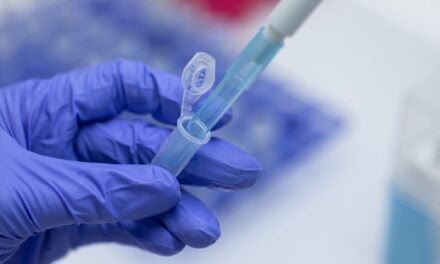
As molecular diagnostics expand what laboratories can detect, laboratories are placing greater emphasis on matching the breadth of testing to the patient and how the results will be used.
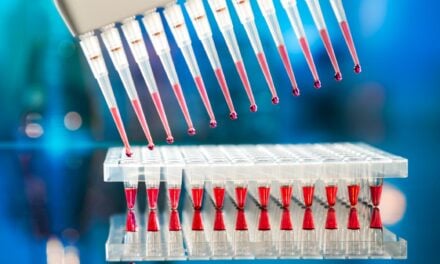
Cerenome has launched two CSF-based molecular profiling tests for CNS cancers, offering DNA and RNA sequencing panels to evaluate primary, metastatic, and hematologic malignancies in the central nervous system.





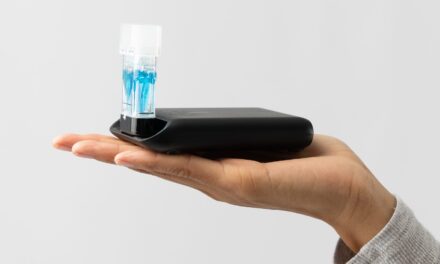
The FDA has cleared Aptitude’s next-generation Metrix COVID Test, which the company says offers 3-fold higher sensitivity and 30% faster results compared to its EUA version.



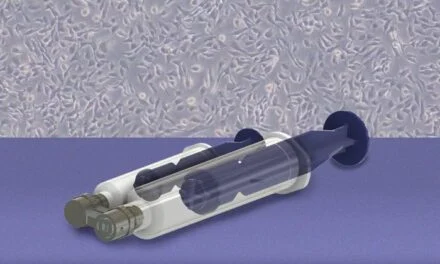
Using microfluidic shear stress, the system detaches living cells from excised tissue to support pathology workflows and downstream diagnostic testing.

The multiplex PCR assay detects 13 viral and bacterial respiratory pathogens from a swab.
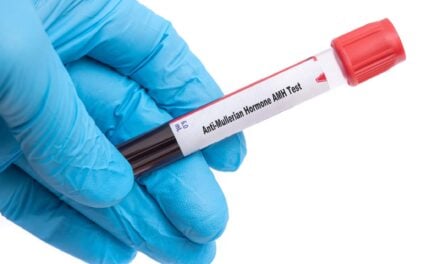
General practitioner requests for AMH fertility tests rose more than 13-fold from 2011 to 2021, despite research showing these tests cannot predict natural conception, according to a Flinders University study of 1.4 million health records.
Renew Biotechnologies and Mayo Clinic have partnered to evaluate NeuroLens, a cfDNA-based test, for monitoring central nervous system injury and disease progression in multiple sclerosis and related neuroimmunologic conditions.
Siemens Healthineers has launched the FDA-cleared Innovance D-Dimer 2.0 assay, designed for rapid exclusion of DVT and PE in outpatients and optimized for STAT laboratory testing.

Lund University has received a $19.4 million NIH grant to clinically validate a new blood biomarker test for Alzheimer’s, assessing MTBR-tau243 and p-tau217 for improved disease staging and diagnostic accuracy.

Revvity has introduced the CE-IVDR-certified GSP T1D 3plex kit, a multiplex dried blood spot assay for early type 1 diabetes screening in children, designed to support population-level programs.
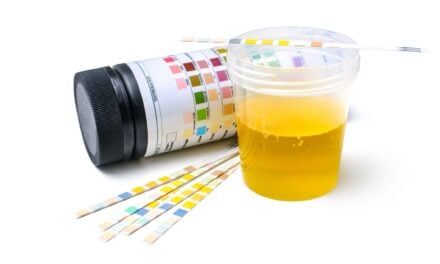
A Johns Hopkins study reports that adding three urine biomarkers to standard assessments raises the accuracy of predicting deceased donor kidney transplant success from 80% to 86%.

The Cystic Fibrosis Base assay has received IVDR accreditation, ensuring high standards for detecting cystic fibrosis mutations.
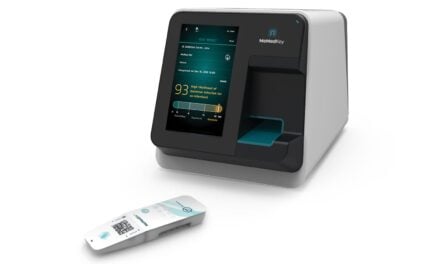
Tampa General Hospital is the first in the Southeast to implement the MeMed BV host-response test in its emergency workflow, reporting a 33% reduction in cefepime use and 13% fewer hospitalizations, according to hospital-led research.