Early Flu Season Activity Climbs as H1N1 Dominates Lab Detections
CDC surveillance data show influenza activity higher than typical for early November, with Washington state public health laboratories confirming two new H5 infections.


CDC surveillance data show influenza activity higher than typical for early November, with Washington state public health laboratories confirming two new H5 infections.

The FDA has cleared Cepheid’s Xpert Hemorrhagic Fever Panel, a multiplex PCR test that detects four hemorrhagic fever viruses and delivers results in about an hour on GeneXpert Dx systems, according to the company.







A new Pennsylvania law will require state-regulated insurers and Medicaid to cover blood-based colorectal cancer screening tests with no cost-sharing, Dec 21, 2026.







The new platform offers custom panel manufacturing in as little as one day to support development of tumor-informed MRD assays.

A Penn State-led team has developed a rapid syphilis test using multilayer nanoparticles, achieving up to 46% stronger signal intensity and enabling single-step detection of low antibody titers.

The 20-minute multiplex test delivers eight results covering bacterial vaginosis, Candida species, and trichomoniasis from clinician- or self-collected swabs.

The molecular test could help identify patients more likely to respond to abatacept, with early access expected in 2027.

Researchers developed a simplified metabolic health score using routine blood markers to identify people at greater risk of developing cardiometabolic disease.

The patent expands intellectual property coverage for the blood-based assay ahead of its planned commercial launch.

New findings show how blood-based biomarkers could improve detection of advanced liver disease and guide decisions about further testing.

A Johns Hopkins study reports that adding three urine biomarkers to standard assessments raises the accuracy of predicting deceased donor kidney transplant success from 80% to 86%.

The Cystic Fibrosis Base assay has received IVDR accreditation, ensuring high standards for detecting cystic fibrosis mutations.
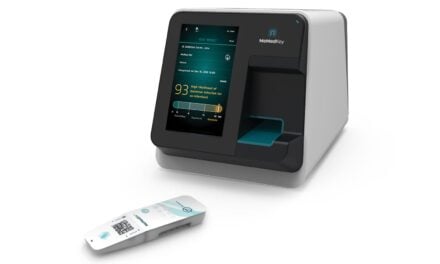
Tampa General Hospital is the first in the Southeast to implement the MeMed BV host-response test in its emergency workflow, reporting a 33% reduction in cefepime use and 13% fewer hospitalizations, according to hospital-led research.