FDA Clears Ready-to-Use Flow Cytometry Tests for Leukemia and Lymphoma
The FDA clearances cover two tests for the identification and diagnosis of B-cell non-Hodgkin lymphoma, including chronic lymphocytic leukemia.

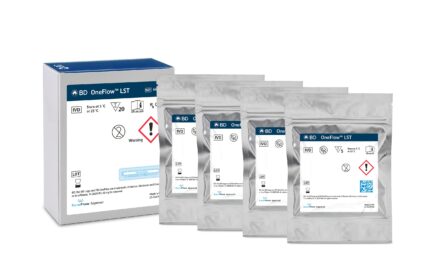
The FDA clearances cover two tests for the identification and diagnosis of B-cell non-Hodgkin lymphoma, including chronic lymphocytic leukemia.

In a study of 229 patients, an AI-based liquid biopsy matched magnetic resonance elastography in identifying patients with fibrosis stages associated with eligibility for approved MASH treatments.







New cobas eplex RP3 panel detects up to 19 respiratory pathogens, including Bordetella pertussis, with results available in under two hours.






The new platform offers custom panel manufacturing in as little as one day to support development of tumor-informed MRD assays.

A clinical trial found that twice-per-pregnancy STI screening reduced preterm birth risk by 23% versus standard care.

Contrario Medical's single-use device uses a two-membrane design to prepare motile sperm from semen samples.

The molecular test could help identify patients more likely to respond to abatacept, with early access expected in 2027.

Researchers developed a simplified metabolic health score using routine blood markers to identify people at greater risk of developing cardiometabolic disease.

The patent expands intellectual property coverage for the blood-based assay ahead of its planned commercial launch.

Screen retention errors can misassign patient glucose results in electronic records, leading to one reported injury and a planned software update.
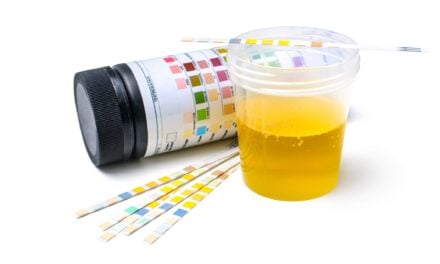
A Johns Hopkins study reports that adding three urine biomarkers to standard assessments raises the accuracy of predicting deceased donor kidney transplant success from 80% to 86%.

The Cystic Fibrosis Base assay has received IVDR accreditation, ensuring high standards for detecting cystic fibrosis mutations.
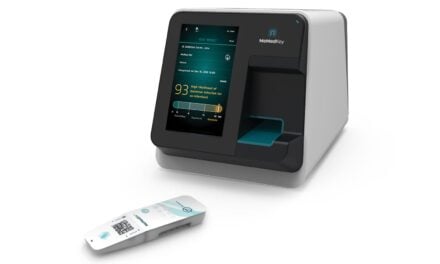
Tampa General Hospital is the first in the Southeast to implement the MeMed BV host-response test in its emergency workflow, reporting a 33% reduction in cefepime use and 13% fewer hospitalizations, according to hospital-led research.