MIT Engineers Develop Handheld Device to Collect Viable Cells for Early Cancer Detection
Using microfluidic shear stress, the system detaches living cells from excised tissue to support pathology workflows and downstream diagnostic testing.

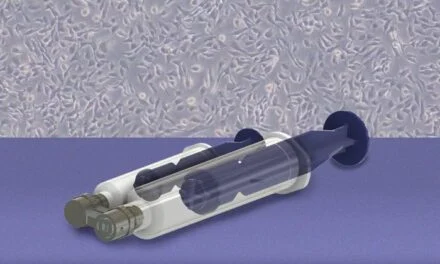
Using microfluidic shear stress, the system detaches living cells from excised tissue to support pathology workflows and downstream diagnostic testing.

An ancillary analysis of the phase III NRG/RTOG 0815 trial shows Veracyte’s Decipher Prostate test can predict which intermediate-risk prostate cancer patients benefit from adding hormone therapy to radiation.




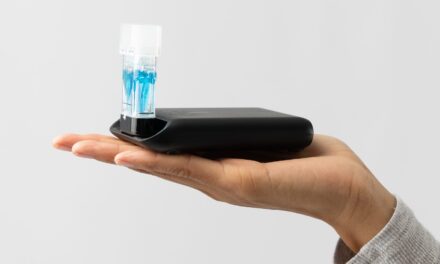
The FDA has cleared Aptitude’s next-generation Metrix COVID Test, which the company says offers 3-fold higher sensitivity and 30% faster results compared to its EUA version.


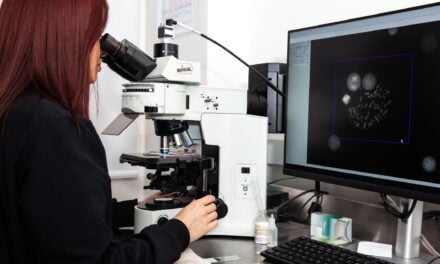
A study led by Augusta University found 100% concordance between Nabsys OhmX electronic genome mapping and standard cytogenetic methods in detecting pathogenic variants in AML and CML bone marrow samples.
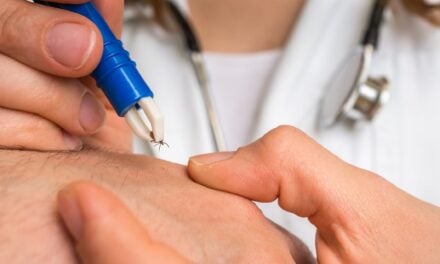
A study of 193,260 suspected Lyme disease patients found 29.5% were co-positive for other tick-borne pathogens, highlighting the need for comprehensive diagnostics.
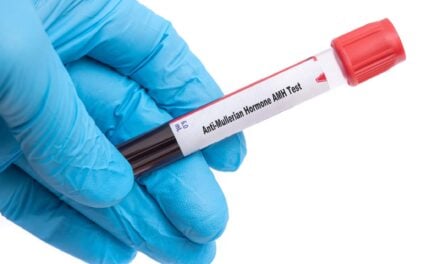
General practitioner requests for AMH fertility tests rose more than 13-fold from 2011 to 2021, despite research showing these tests cannot predict natural conception, according to a Flinders University study of 1.4 million health records.

A Vanderbilt study finds that standard genetic tests for lamotrigine reaction risk omit HLA-A*32:01, a marker linked to severe DRESS, raising concerns about current pharmacogenomic panel effectiveness.

The University of Reading has developed the TRIPLEcheck assay to personalize antiplatelet therapy by assessing platelet reactivity, with a 400-patient clinical trial underway.

Joel Braunstein, MD, CEO of C2N Diagnostics, received the Nimoy-Knight Live Long & Prosper Tribute Award after FDA clearance of PrecivityAD2, the first Alzheimer’s blood test for adults with cognitive symptoms as young as 40.
Siemens Healthineers and Novo announced a collaboration to expand clinical access to non-invasive blood tests, including the ELF test, for earlier detection of MASLD and MASH.
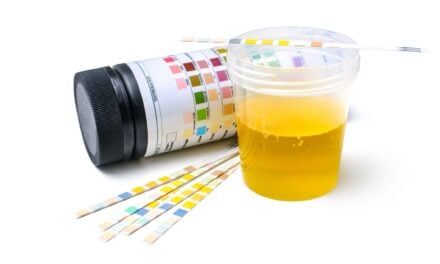
A Johns Hopkins study reports that adding three urine biomarkers to standard assessments raises the accuracy of predicting deceased donor kidney transplant success from 80% to 86%.

The Cystic Fibrosis Base assay has received IVDR accreditation, ensuring high standards for detecting cystic fibrosis mutations.
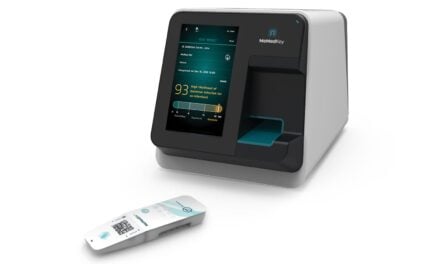
Tampa General Hospital is the first in the Southeast to implement the MeMed BV host-response test in its emergency workflow, reporting a 33% reduction in cefepime use and 13% fewer hospitalizations, according to hospital-led research.