Study: New Mapping Method Improves Detection of Leukemia Abnormalities
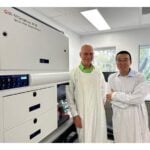
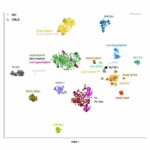
Research shows optical genome mapping identifies genomic changes in nearly 98% of T-cell acute lymphoblastic leukemia cases compared to 55% with traditional analysis.
A new diagnostic classification module for AHEAD Medicine's Cyto-Copilot platform enhances AML versus non-neoplastic classification.
The HemeScreen BCR-ABL1 Panel enabled Precipio’s clinical lab to detect a co-expression of both p190 and p210 isoforms in this patient, leading to more informed care decisions.
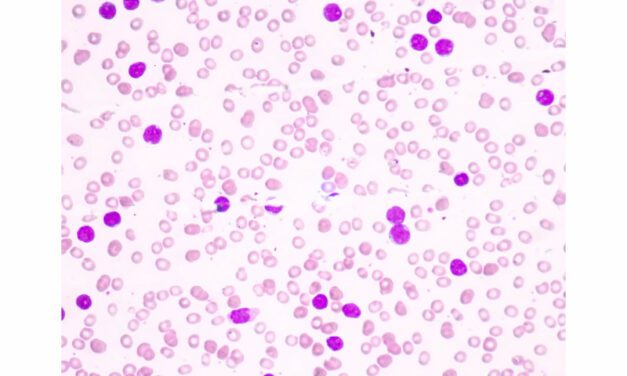
Scientists are using new technology to improve the diagnosis and treatment of blood cancers, which affect 1.24 million people globally.
Read MoreCAR-T cell therapy has revolutionized the treatment of several cancers, using modified T cells to target types of leukemia & lymphoma.
Read MoreEveryone has a small number of an unusual thymocyte cell, which can become a form of leukemia called T-cell acute lymphoblastic leukemia.
Read MoreKinetic River has been awarded a Phase II SBIR grant for the development of an autofluorescence-free flow cytometry platform.
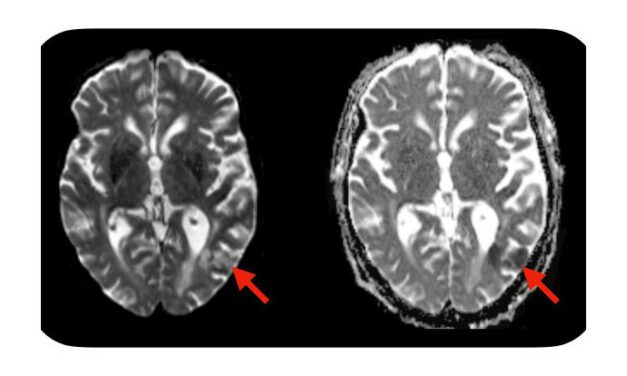
Read MoreTo better treat patients with acute myeloid leukemia, researchers discovered a novel subtype of the cancer via proteome and genetic analysis.
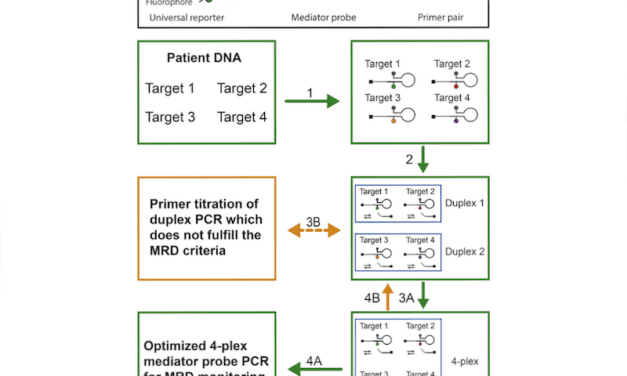
Read MoreResearchers have developed a new protocol for monitoring acute lymphoblastic leukemia to inform more effective treatment strategies.
Read MoreBioFluidica, a privately held biotechnology company, plans to commercialize its LiquidScan Automated Liquid Biopsy System.Â
Read MoreThe grant will allow Qlucore to expand Qlucore Diagnostics software with a focus on RNA-profiling of glioma and acute leukemia.
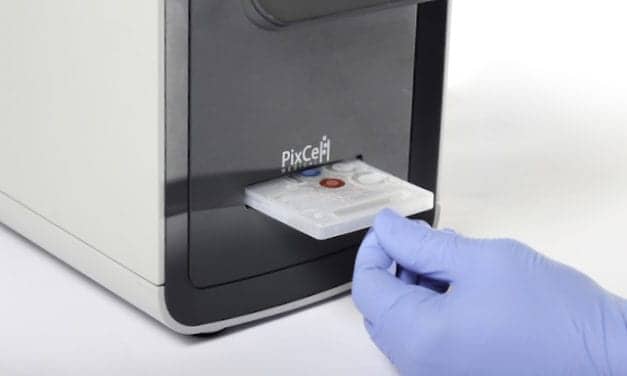
Read MorePixCell’s HemoScreen may be used to monitor pathological blood samples, improving treatment process for hematological patients.
Read MoreThe blood test followed by PET-CT imaging was 99.6% specific for cancer.
Read MoreA noninvasive blood test may provide a ‘crystal ball’ for early detection of infections, leading to increased cure rates among pediatric leukemia patients.
Read MoreThe Pathfinder study will enroll 6,200 participants to evaluate Grail’s investigational multicancer early detection test in clinical practice.
Read MoreThe latest update is beneficial to researchers investigating myeloid disorders, and is now enabled with BCR-ABL fusion gene and KMT2A-PTD detection.
Read MoreBluestar Genomics’ technology can noninvasively detect cancers and help identify the underlying biology of the disease using epigenetic markers.
Read MoreThe panel has been tested to show excellent concordance with array data, and can detect both small and large CNVs, indels, LOH, and SNVs.
Read More