Test Outperforms Traditional Tool in Predicting Melanoma Spread to Lymph Nodes
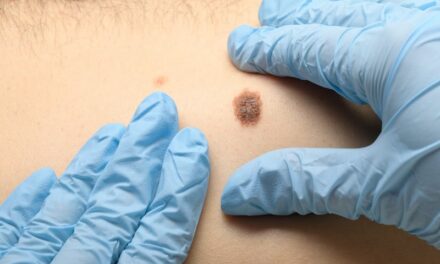
A prospective study shows the test more accurately identifies patients who may safely avoid biopsy compared to the Melanoma Institute Australia nomogram.
NeoGenomics' study demonstrates how ctDNA monitoring enables earlier detection of MRD and recurrence risk in high-risk melanoma patients.
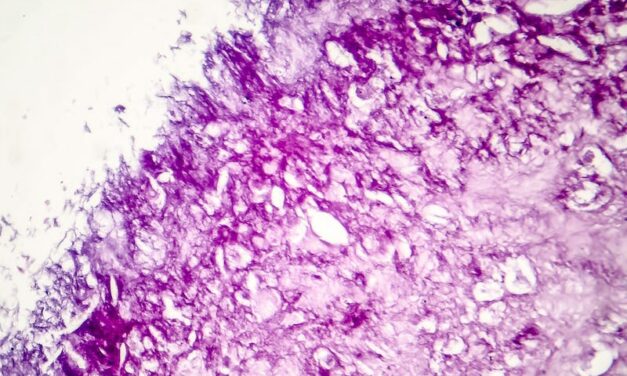
The combined biomarkers, AMBRA1 and loricrin can be used to reliably stratify stage I and II melanomas at genuine low risk of progression.
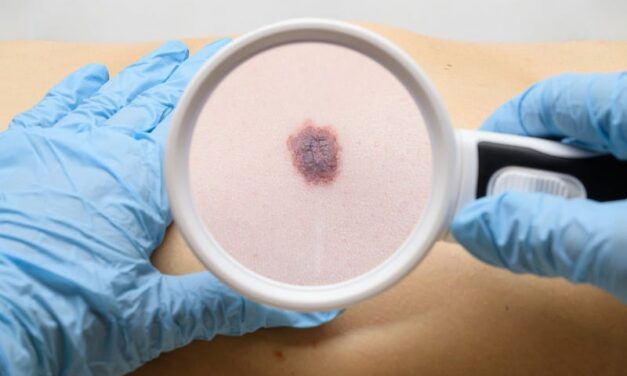
A new patient-centered approach more accurately identifies melanoma patients eligible for sentinel lymph node biopsy (SLNB).
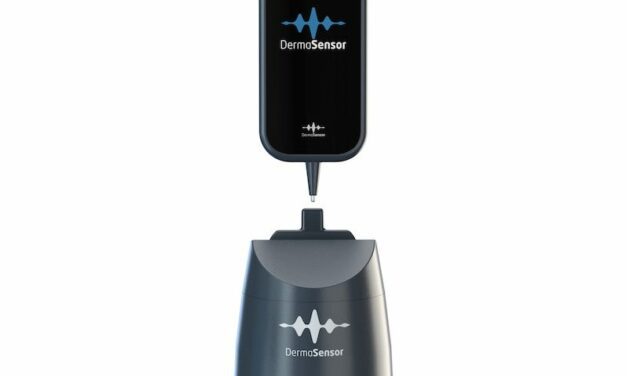
Read MoreDermaSensor presented a pooled analysis from clinical studies evaluating the performance of the company’s device in detecting skin cancer.
Read MoreThe U.S. General Services Administration has recommended DermTech’s foundational melanoma assay for coverage by the VHA.
Read MoreResearchers found potential biomarkers that predict the likelihood for checkpoint inhibitor drugs to cause progression of melanoma cells.
Read MoreRoche has announced the launch of the PRAME Antibody to identify PRAME protein expression with suspected melanoma.
Read MoreProscia released study results on new AI that predicts diagnostic agreement for melanoma, the deadliest form of skin cancer.
Read MoreUnilabs and Proscia have announced that the diagnostic group has chosen Proscia’s DermAI skin pathology solution.
Read MoreInterVenn’s new melanoma test is commercially available as a glycoproteomics LDT that aids oncologists in planning treatment for melanoma.
Read MoreResearchers have discovered blood biomarkers that can help identify if someone suffering from Melanoma can benefit from immune checkpoint inhibitors.
Read MoreFoundationOne CDx is used as a companion diagnostic for two groups of FDA-approved therapeutics in melanoma, which includes BRAF inhibitor monotherapies.
Read MoreResearchers used deep learning framework to transform microscopy images of intact skin into histochemically stained sections imaged on microscope slides.
Read MoreProscia has released study results on new technology that leverages AI to automatically detect melanoma with a high degree of accuracy.
Read MoreCastle Biosciences’ acquisition of CLIA-certified Myriad MyPath Laboratory from Myriad Genetics will expand its suite of genomic tests for skin cancer.
Read MoreThe blood test followed by PET-CT imaging was 99.6% specific for cancer.
Read MoreThe launch focuses on several immunooncology markers that are critical for early-stage cancer drug development and patient treatment.
Read More