FDA Approves Companion Diagnostic to Identify NSCLC Patients Eligible for Tepmetko
The tissue-based test identifies patients with MET exon 14 skipping alterations eligible for treatment with tepotinib.
A multicenter clinical trial found the HelioLiver blood test detected early-stage liver cancer with 71.9% sensitivity, outperforming ultrasound’s 36.8%.
Laboratories are leveraging established diagnostic and surveillance tools to track the Andes hantavirus outbreak linked to a cruise ship, with experts noting no evidence of widespread community transmission or efficient airborne spread.
HistoIndex has partnered with Houston Research Institute and Knowledge Research Center to expand access to AI-driven digital pathology for liver disease diagnostics in Texas and California.
Lucent Diagnostics and Tempus AI have partnered to integrate blood-based Alzheimer’s biomarker testing into clinical workflows, aiming to expand access and improve detection accuracy for neurologists.
Researchers at Mass General Brigham identified 16 routine lab markers, including cholesterol and glucose, linked to PTSD’s physical effects, suggesting standard tests could aid in assessing the disorder’s multi-organ impact.
Bio-Rad has expanded its TrailBlazer StarBright Dye Label Kits to 32 options, now available in Europe for flow cytometry and fluorescent western blot applications, according to the company.
The test allows for simultaneous detection of multiple viruses on a sample-to-answer platform designed for immunocompromised patients.
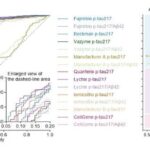
Roche has received CE mark approval for its Elecsys pTau217 blood test, designed to aid in Alzheimer’s disease diagnosis by detecting amyloid pathology in patients with cognitive decline.
AOA Dx presented data at AACR 2026 supporting its AKRIVIS GD Test System, a multi-omic, blood-based assay for early ovarian cancer detection in symptomatic women, reporting an AUC of 0.92 in clinical controls.
New research indicates that standard and modified two-tiered testing algorithms fail to detect infection in up to 78% of patients during the early stages of the disease.
Caris Life Sciences has applied to the New York State Department of Health for authorization of Caris Assure, a blood-based molecular profiling test for cancer using whole exome and transcriptome sequencing of 22,000 genes.
The cobas liat system delivers PCR results in 15 minutes, detecting and differentiating between three Bordetella pathogens including whooping cough.
A rapid urine test identified effective UTI antibiotics in an average of 5.85 hours, matching standard lab accuracy in a University of Reading study published in the Journal of Antimicrobial Chemotherapy.