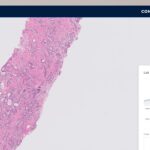
ViewsML Raises $4.9 Million for AI-Based Virtual Tissue Staining
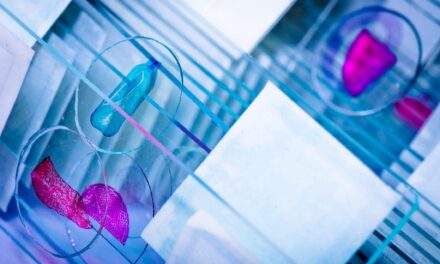
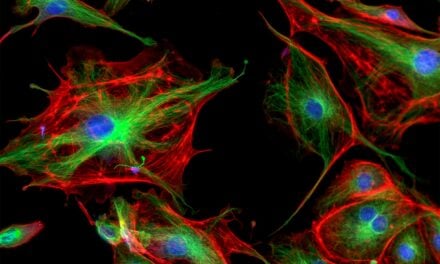
The seed funding will support the commercialization of a platform designed to generate biomarker insights from pathology images without laboratory staining.
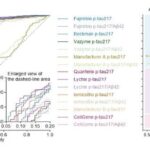
The study will analyze three key proteins to determine if blood-based biomarkers can provide an earlier and more accessible diagnostic method.
A multicenter trial published in Clinical Chemistry reports Vitestro’s autonomous phlebotomy system achieved a 94.5% first-stick success rate, with low hemolysis and adverse event rates, in routine clinical settings.
ViewsML will present an AI platform at USCAP 2026 that predicts biomarker expression from standard H&E slides, enabling per-cell spatial analysis without additional staining, according to the company.
The multi-year collaboration includes the deployment of the AISight Dx platform and AI algorithms across the health system’s laboratory network.
Research indicates that apolipoprotein B testing outperforms standard LDL cholesterol tests in predicting risk and guiding therapy.
Increased adoption of flow cytometry and artificial intelligence tools helps clinicians manage the rising number of indeterminate pulmonary nodules.
The test allows for simultaneous detection of multiple viruses on a sample-to-answer platform designed for immunocompromised patients.
The diagnostic tool identifies a specific biological cause of autism with more than 97% predictive accuracy.
The collaboration will use multi-omic platforms and AI-driven analytics to identify disease patterns and improve patient stratification within the PRECISE-SG100K study.
A proof-of-concept study shows that bacteria-metabolized molecules enriched with carbon-13 produce detectable exhaled CO2, enabling rapid infection identification with inexpensive infrared scanners.
The recommendations focus on using next-generation sequencing to evaluate off-target editing risks and chromosomal integrity.
The cobas liat system delivers PCR results in 15 minutes, detecting and differentiating between three Bordetella pathogens including whooping cough.
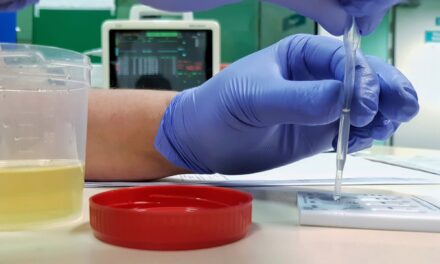
A rapid urine test identified effective UTI antibiotics in an average of 5.85 hours, matching standard lab accuracy in a University of Reading study published in the Journal of Antimicrobial Chemotherapy.