UW Medicine Becomes First US Academic Lab to Adopt Automated Mass Spectrometry
The system began patient testing Nov 2, initially focusing on vitamin and hormone assays, with plans to expand into therapeutic drug monitoring and toxicology.

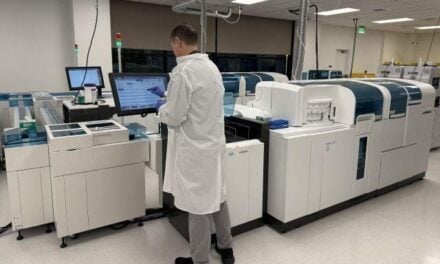
The system began patient testing Nov 2, initially focusing on vitamin and hormone assays, with plans to expand into therapeutic drug monitoring and toxicology.

Screen retention errors can misassign patient glucose results in electronic records, leading to one reported injury and a planned software update.







A study of 60,449 lab results found that using broader screening thresholds doubled detection rates of primary aldosteronism compared to Endocrine Society guidelines, according to research in Hypertension.




The expanded partnership deploys the cloud-based HALO AP platform across enterprise laboratories to support emerging biomarker workflows and ADC pipeline diagnostics.
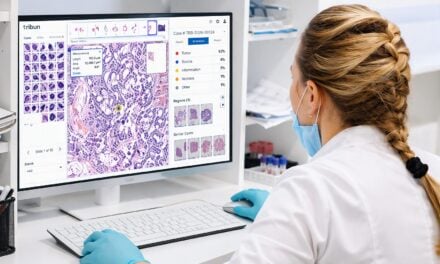
Powered by Tribun Health's CaloPix software, the platform connects pathology with radiology and cardiology imaging systems to support diagnostic workflows and collaboration across healthcare networks.

A global survey of 231 labs in 41 countries, published by IOF and IFCC, reveals significant inconsistencies in bone biomarker testing methods, reference intervals, and quality assessments, highlighting a need for greater harmonization.
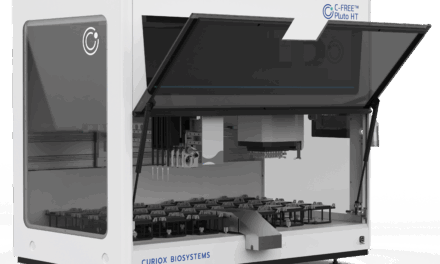
Curiox Biosystems has expanded its commercial leadership team and established a Strategic Advisory Board to support broader adoption of its centrifuge-free Pluto Workstations for automated flow cytometry sample preparation.
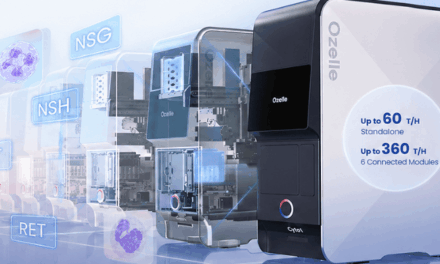
The O-Cyte 1 combines complete blood count testing, seven-part white blood cell differentials, and digital cell imaging, with configurations supporting up to 360 tests per hour.

China’s NMPA has approved Quanterix and Innovita’s HD-X and SR-X immunoassay platforms and four blood-based neurology biomarker tests, expanding access to Alzheimer’s diagnostics in the Chinese clinical lab market.
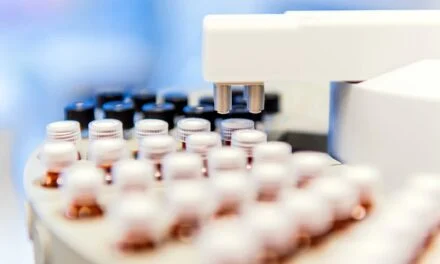
IMS Solutions, a University of Birmingham and Imperial College London spin-out, has raised £1.1 million to commercialize mass spectrometry-based steroid biomarker tests for adrenal cancer and PMOS, with clinical validation underway.
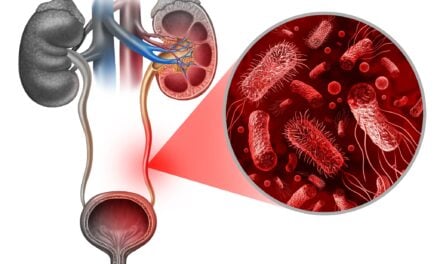
Genefluence's near-patient test identifies UTI-causing bacteria and antibiotic resistance genes in approximately one hour, potentially helping clinicians make faster treatment decisions.

The workflow eliminates separate qPCR quantification and manual normalization steps, preparing sequencing-ready libraries in approximately 2.5 hours.

Researchers identified blood levels of a brain injury biomarker that could help clinicians determine which patients need additional evaluation within 24 hours of trauma.
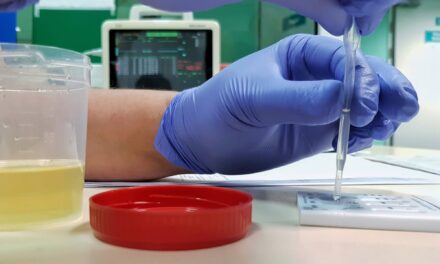
A multicenter study from Johns Hopkins Medicine found that an FDA-cleared rapid urine assay detected 92% of invasive aspergillosis cases, offering results within hours and supporting faster, noninvasive diagnosis in clinical labs.