
Expanded Approval Broadens Use of Roche MMR Test for Immunotherapy Selection
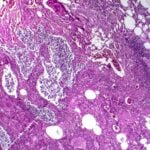
The companion diagnostic evaluates mismatch repair deficiency, a predictive biomarker used to identify patients who may respond to PD-1-targeted therapies.
Biomarkers in midlife adults without dementia may be linked to the earliest signs of waning cognition, researchers found.
A new position statement warns that albumin-adjusted calcium formulas are unreliable and may lead to patient misclassification.
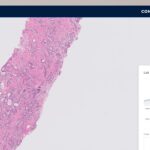
The FDA has granted Breakthrough Device Designation to Valar Labs’ Vesta Bladder Risk Stratify Dx, the first AI-powered digital pathology prognostic test for bladder cancer.
The digital pathology platform provides patient-specific risk estimates to help clinicians tailor treatment for metastatic hormone-sensitive disease.
Researchers identify molecular markers in saliva that could lead to new clinical tests for sleep loss.
Bio-Rad has expanded its TrailBlazer StarBright Dye Label Kits to 32 options, now available in Europe for flow cytometry and fluorescent western blot applications, according to the company.
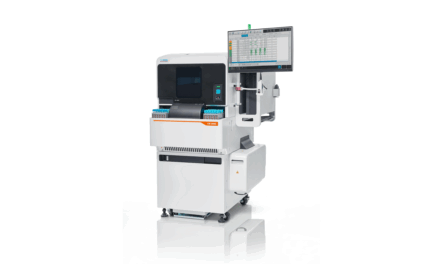
The XR-Series features higher throughput and enhanced analytics to streamline daily laboratory operations.
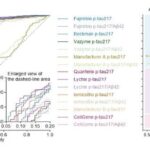
Roche has received CE mark approval for its Elecsys pTau217 blood test, designed to aid in Alzheimer’s disease diagnosis by detecting amyloid pathology in patients with cognitive decline.
The new triple quadrupole mass spectrometry system aims to increase sample throughput and simplify interference removal.
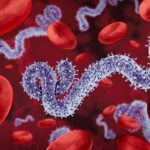
New research indicates that standard and modified two-tiered testing algorithms fail to detect infection in up to 78% of patients during the early stages of the disease.
Results from the NHS-Galleri study show a 26% reduction in metastatic cancer diagnoses by the third round of screening.
The cobas liat system delivers PCR results in 15 minutes, detecting and differentiating between three Bordetella pathogens including whooping cough.
The screening tool identifies specific molecules produced by gut bacteria to distinguish children with autism from typically developing peers.