Bruker Expands Microbiology and Infection Diagnostics Portfolio
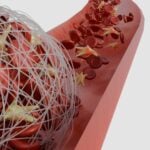
New updates include expanded capabilities for microbial identification and advancements in sepsis diagnostics and sequencing workflows.
The PTC Harmony 96 and PTC Harmony Deepwell systems are designed to provide high-performance PCR for academic and biopharma laboratories.
A new position statement warns that albumin-adjusted calcium formulas are unreliable and may lead to patient misclassification.
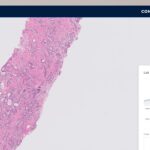
The FDA has granted Breakthrough Device Designation to Valar Labs’ Vesta Bladder Risk Stratify Dx, the first AI-powered digital pathology prognostic test for bladder cancer.
The digital pathology platform provides patient-specific risk estimates to help clinicians tailor treatment for metastatic hormone-sensitive disease.
Researchers identify molecular markers in saliva that could lead to new clinical tests for sleep loss.
Bio-Rad has expanded its TrailBlazer StarBright Dye Label Kits to 32 options, now available in Europe for flow cytometry and fluorescent western blot applications, according to the company.
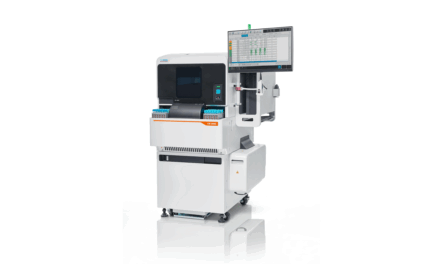
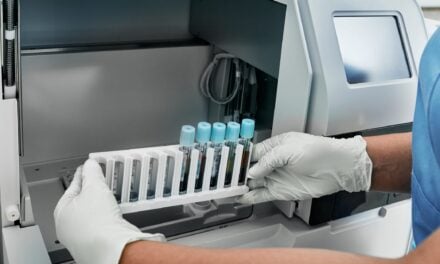
The XR-Series features higher throughput and enhanced analytics to streamline daily laboratory operations.
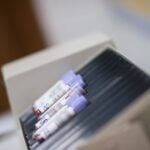
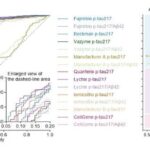
Roche has received CE mark approval for its Elecsys pTau217 blood test, designed to aid in Alzheimer’s disease diagnosis by detecting amyloid pathology in patients with cognitive decline.
The new triple quadrupole mass spectrometry system aims to increase sample throughput and simplify interference removal.
The panel detects fungal DNA in plasma to help identify specific pathogens in immunocompromised patients.
Monitoring circulating tumor DNA dynamics outperformed standard markers for predicting survival and relapse in early-stage patients.
The cobas liat system delivers PCR results in 15 minutes, detecting and differentiating between three Bordetella pathogens including whooping cough.
The screening tool identifies specific molecules produced by gut bacteria to distinguish children with autism from typically developing peers.