New Open-Source Tool Unifies Lipid Data Across Multiple Databases
Researchers have launched LipidLibrarian, an open-source tool that integrates data from major lipid databases to streamline diagnostic marker identification.

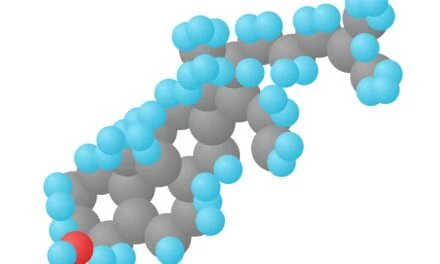
Researchers have launched LipidLibrarian, an open-source tool that integrates data from major lipid databases to streamline diagnostic marker identification.
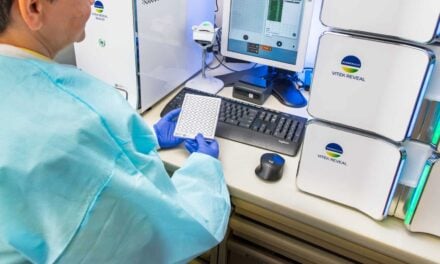
ECU Health Medical Center has implemented the bioMérieux VITEK REVEAL analyzer, which identifies effective antibiotics for bloodstream infections about 24 hours faster than standard methods.



Clinical labs are adopting broader cancer diagnostics—including whole-genome sequencing and multi-omic testing—to deliver more comprehensive molecular insights and improve disease monitoring.





The company says its US business combines automated kit manufacturing, fulfillment, sample logistics, and digital workflow technology into a single diagnostic testing platform.
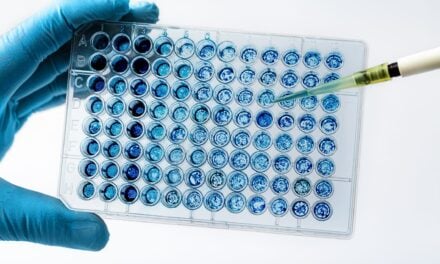
The research-use-only platform combines imaging, software, and multiplex protein analysis into a standard 96-well workflow designed to simplify biomarker research.
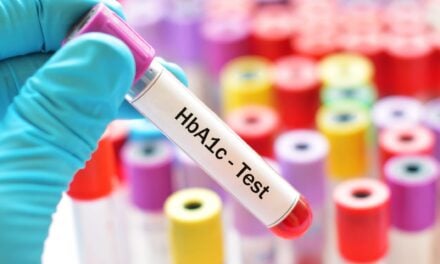
Research presented at ADLM 2026 indicates immunoassays may significantly underestimate HbA1c in patients with sickle cell trait, suggesting HPLC offers more reliable diabetes screening for populations with hemoglobin variants.
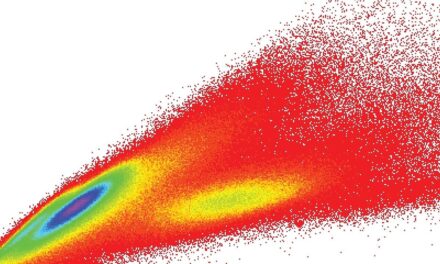
The assay is designed to detect minimal residual disease with greater sensitivity than conventional flow cytometry.
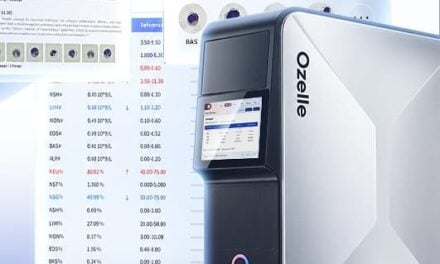
Ozelle has introduced the O-Cyte 1, an AI-powered hematology analyzer with image-based morphology, at ADLM 2026. The system processes up to 360 tests per hour and is designed to improve lab efficiency, according to the company.
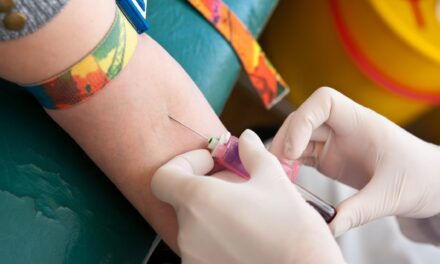
USC researchers report that two blood tests, Lumipulse G p-tau217/β-Amyloid 1-42 and PrecivityAD2, can accurately detect Alzheimer’s pathology in patients with Down syndrome.

SCIEX has launched the ExionLC MD system and updated SCIEX OS software, featuring workflow automation and high-performance UHPLC, to help clinical labs improve productivity, as announced at the ADLM meeting.

A Quest Diagnostics study of 1.5 million women found those with bacterial vaginosis are over three times more likely to have a non-viral STI, highlighting the need for comprehensive diagnostic testing.

SOPHiA GENETICS and AstraZeneca have signed a multi-year agreement to develop and deploy decentralized companion diagnostics for solid tumors and blood cancers, aiming to expand local lab access to precision oncology testing.

The cobas liat system delivers PCR results in 15 minutes, detecting and differentiating between three Bordetella pathogens including whooping cough.
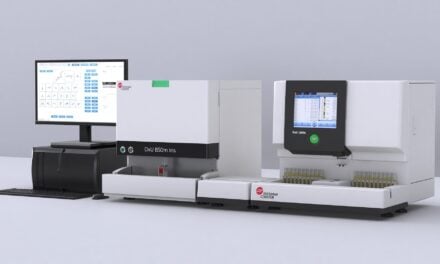
The automated urinalysis system integrates chemistry and microscopy to help labs manage higher testing volumes and reduce manual reviews to under 3%, according to the company.