Countable Labs and Promega Partner for Sample Preparation and Rare Variant Detection
The agreement combines extraction and PCR technologies to create an end-to-end workflow for DNA and RNA analysis.
Elevated donor-derived cell-free DNA levels are linked to higher kidney transplant failure risk, suggesting earlier detection of allograft injury before loss of kidney function.
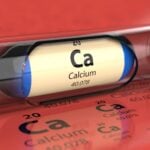
A new position statement warns that albumin-adjusted calcium formulas are unreliable and may lead to patient misclassification.
The companion diagnostic evaluates mismatch repair deficiency, a predictive biomarker used to identify patients who may respond to PD-1-targeted therapies.
Agilent Technologies has partnered with OpenAI and Boston Consulting Group to accelerate artificial intelligence deployment in lab workflows, aiming to deliver faster scientific insights and advance intelligent instruments, software, and services.
Research suggests that only 12% of men receiving testosterone prescriptions underwent appropriate testing.
Bio-Rad has expanded its TrailBlazer StarBright Dye Label Kits to 32 options, now available in Europe for flow cytometry and fluorescent western blot applications, according to the company.
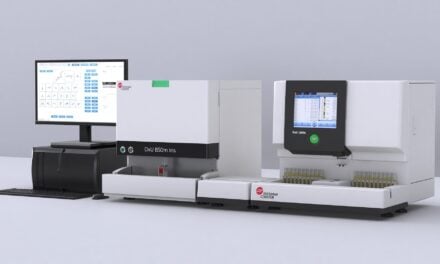
The XR-Series features higher throughput and enhanced analytics to streamline daily laboratory operations.
The assay is CE marked under the European Union In Vitro Diagnostic Regulation and identifies resistance genes to help prevent hospital-acquired infections.
The new triple quadrupole mass spectrometry system aims to increase sample throughput and simplify interference removal.
The new capability helps clinicians determine if a patient's infection will respond to gepotidacin before prescribing the treatment.
An experimental assay detected residual HPV-related cancer DNA after surgery and was associated with poorer outcomes in an observational study.
The cobas liat system delivers PCR results in 15 minutes, detecting and differentiating between three Bordetella pathogens including whooping cough.
The screening tool identifies specific molecules produced by gut bacteria to distinguish children with autism from typically developing peers.