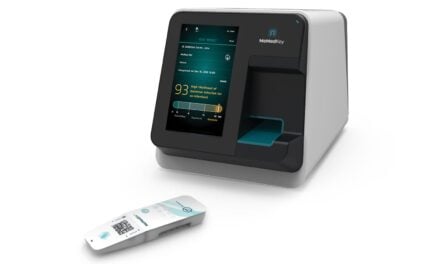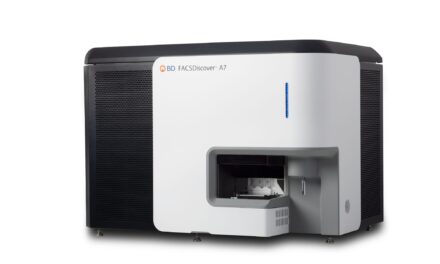
Pictor Unveils High-Resolution Protein Analysis Platform at ADLM 2026
The research-use-only platform combines imaging, software, and multiplex protein analysis into a standard 96-well workflow designed to simplify biomarker research.
The test uses intact circulating tumor cells instead of cell-free DNA fragments to analyze more than 500 genes and identify tumor markers.
A new position statement warns that albumin-adjusted calcium formulas are unreliable and may lead to patient misclassification.
Researchers at MD Anderson have developed an AI-based pathology tool that predicts immunotherapy response in rare cancers by analyzing immune cell changes in biopsies, according to a Journal for ImmunoTherapy of Cancer study.
Seegene has launched the Global Million Clinical Study to collect real-world data on the clinical utility of syndromic PCR testing for infectious diseases, aiming to inform future global diagnostic standards.
The assay measures lipoprotein(a) levels in molar units to improve cardiovascular risk assessment and standardization across laboratories.
Research suggests new sequencing technologies can help labs move from tissue-level averages to cell-specific testing for precision exercise medicine.
The new service supports transplantation medicine for 13 million people across Northern California and Northern Nevada.
A3P Biomedical’s Stockholm3 test showed 90% sensitivity in detecting aggressive prostate cancer in a study of 12,670 men, outperforming traditional PSA screening.
The noninvasive method uses paper spray and mass spectrometry to identify disease biomarkers in less than 30 seconds.
The Fleming Initiative and Cepheid have launched a 30-month study in England to compare rapid molecular and traditional culture screening for drug-resistant carbapenemase-producing Enterobacterales in hospital settings.
The deal adds a blood-based test for viral-mediated cancers to the company’s portfolio of transplant and cell therapy services.
The cobas liat system delivers PCR results in 15 minutes, detecting and differentiating between three Bordetella pathogens including whooping cough.
The screening tool identifies specific molecules produced by gut bacteria to distinguish children with autism from typically developing peers.