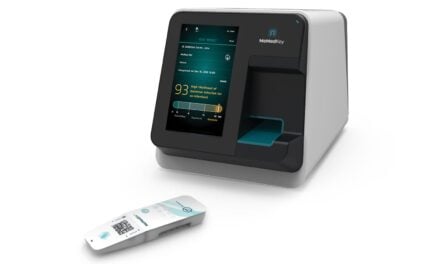
IRIS Kinetics Unveils Point-of-Care Kinetic Biosensing Platform
The IRIS TX-100 uses cartridge-based technology to measure up to 100 biomarkers in approximately 10 minutes.
Siemens Healthineers has added CE-marked capillary blood testing for 24 assays to its Atellica core lab analyzers, enabling labs to use finger prick or heel stick samples in place of standard venipuncture.
A new position statement warns that albumin-adjusted calcium formulas are unreliable and may lead to patient misclassification.
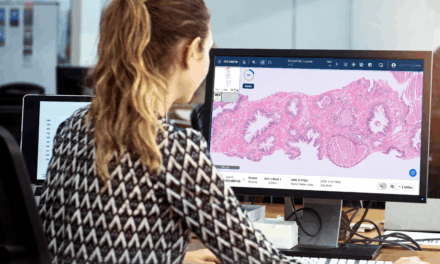
Researchers at MD Anderson have developed an AI-based pathology tool that predicts immunotherapy response in rare cancers by analyzing immune cell changes in biopsies, according to a Journal for ImmunoTherapy of Cancer study.
Seegene has launched the Global Million Clinical Study to collect real-world data on the clinical utility of syndromic PCR testing for infectious diseases, aiming to inform future global diagnostic standards.
The assay measures lipoprotein(a) levels in molar units to improve cardiovascular risk assessment and standardization across laboratories.
Research suggests new sequencing technologies can help labs move from tissue-level averages to cell-specific testing for precision exercise medicine.
The new policy affirms coverage for surveillance testing to detect organ rejection in kidney, heart, and lung transplant patients.
A3P Biomedical’s Stockholm3 test showed 90% sensitivity in detecting aggressive prostate cancer in a study of 12,670 men, outperforming traditional PSA screening.
The noninvasive method uses paper spray and mass spectrometry to identify disease biomarkers in less than 30 seconds.
The Fleming Initiative and Cepheid have launched a 30-month study in England to compare rapid molecular and traditional culture screening for drug-resistant carbapenemase-producing Enterobacterales in hospital settings.
Myriad Genetics has launched the FirstGene Multiple Prenatal Screen, a test that combines four prenatal genetic screens from a single blood draw as early as eight weeks gestation, according to the company.
The cobas liat system delivers PCR results in 15 minutes, detecting and differentiating between three Bordetella pathogens including whooping cough.
The screening tool identifies specific molecules produced by gut bacteria to distinguish children with autism from typically developing peers.