FDA Approves PCR-Based Companion Diagnostic for Keytruda
The assay identifies patients with microsatellite instability-high solid tumors who may be eligible for treatment with the immunotherapy.

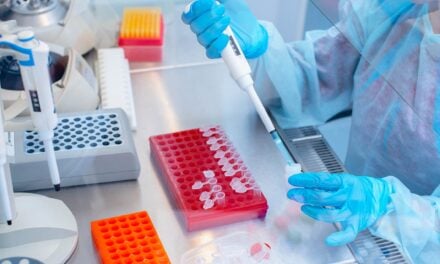
The assay identifies patients with microsatellite instability-high solid tumors who may be eligible for treatment with the immunotherapy.
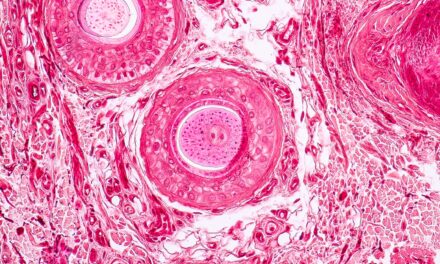
A new College of American Pathologists article explores how multiplex immunofluorescence can assess multiple biomarkers in a single tissue section while conserving samples for additional testing.




Toumy Guettouche, PhD, chief scientific officer at Mercy BioAnalytics and a study co-author, discusses how a blood test measuring proteins on extracellular vesicles detected signs of early-stage ovarian cancer before diagnosis—and what researchers still need to establish before the approach could be used for routine screening.






The expanded partnership deploys the cloud-based HALO AP platform across enterprise laboratories to support emerging biomarker workflows and ADC pipeline diagnostics.
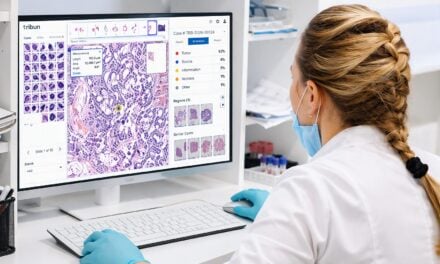
Powered by Tribun Health's CaloPix software, the platform connects pathology with radiology and cardiology imaging systems to support diagnostic workflows and collaboration across healthcare networks.

Screen retention errors can misassign patient glucose results in electronic records, leading to one reported injury and a planned software update.
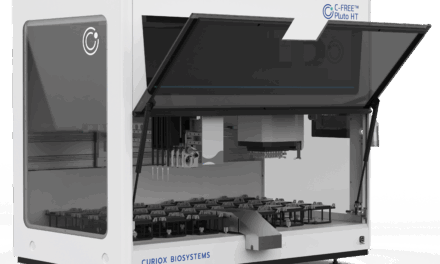
Curiox Biosystems has expanded its commercial leadership team and established a Strategic Advisory Board to support broader adoption of its centrifuge-free Pluto Workstations for automated flow cytometry sample preparation.
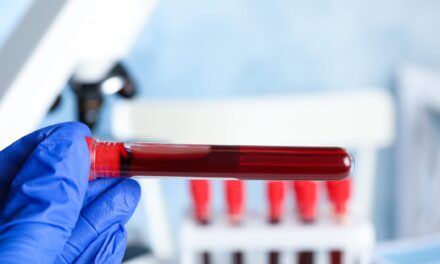
A study of more than 1,100 transplant recipients found that persistent or later-emerging elevations in donor-derived cell-free DNA were associated with greater risks of rejection and graft loss.

China’s NMPA has approved Quanterix and Innovita’s HD-X and SR-X immunoassay platforms and four blood-based neurology biomarker tests, expanding access to Alzheimer’s diagnostics in the Chinese clinical lab market.

The new 5987A system is designed to improve laboratory efficiency by identifying potential instrument problems before they disrupt testing.
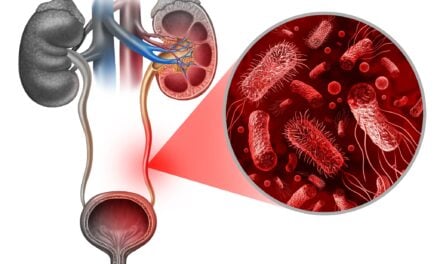
Genefluence's near-patient test identifies UTI-causing bacteria and antibiotic resistance genes in approximately one hour, potentially helping clinicians make faster treatment decisions.

New assays and reagents expand multiplexing capabilities, allowing researchers to analyze more cancer-related mutations and biomarkers in a single reaction.

Researchers identified blood levels of a brain injury biomarker that could help clinicians determine which patients need additional evaluation within 24 hours of trauma.
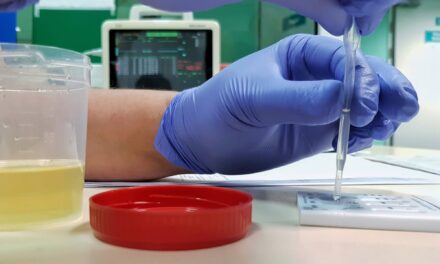
A multicenter study from Johns Hopkins Medicine found that an FDA-cleared rapid urine assay detected 92% of invasive aspergillosis cases, offering results within hours and supporting faster, noninvasive diagnosis in clinical labs.