Watchmaker Genomics Launches Tools to Streamline Sequencing Workflows
The new technologies address library normalization and amplification accuracy for high-throughput and oncology sequencing.
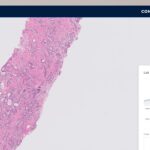
Early results indicate the process could reduce sample preparation time by approximately 40% to 50%, while improving consistency by removing variability linked to staining conditions.
A new position statement warns that albumin-adjusted calcium formulas are unreliable and may lead to patient misclassification.
The companion diagnostic evaluates mismatch repair deficiency, a predictive biomarker used to identify patients who may respond to PD-1-targeted therapies.
Agilent Technologies has partnered with OpenAI and Boston Consulting Group to accelerate artificial intelligence deployment in lab workflows, aiming to deliver faster scientific insights and advance intelligent instruments, software, and services.
Research suggests that only 12% of men receiving testosterone prescriptions underwent appropriate testing.
Bio-Rad has expanded its TrailBlazer StarBright Dye Label Kits to 32 options, now available in Europe for flow cytometry and fluorescent western blot applications, according to the company.
The XR-Series features higher throughput and enhanced analytics to streamline daily laboratory operations.
The assay is CE marked under the European Union In Vitro Diagnostic Regulation and identifies resistance genes to help prevent hospital-acquired infections.
The new triple quadrupole mass spectrometry system aims to increase sample throughput and simplify interference removal.
The new capability helps clinicians determine if a patient's infection will respond to gepotidacin before prescribing the treatment.
Guardant360 CDx can now identify patients eligible for zongertinib, the first targeted therapy approved as an initial treatment option for HER2-mutant advanced non-small cell lung cancer.
The cobas liat system delivers PCR results in 15 minutes, detecting and differentiating between three Bordetella pathogens including whooping cough.
The screening tool identifies specific molecules produced by gut bacteria to distinguish children with autism from typically developing peers.