Researchers Propose Framework for Digital Pathology Adoption
A new study outlines a lifecycle-oriented approach to help laboratories navigate costs, regulatory compliance, and artificial intelligence readiness.
The NCCN has updated its bladder cancer guidelines to include FDA-approved ctDNA-based MRD testing for post-surgical risk assessment and adjuvant immunotherapy decisions in muscle-invasive bladder cancer.
A new position statement warns that albumin-adjusted calcium formulas are unreliable and may lead to patient misclassification.
Early results indicate the process could reduce sample preparation time by approximately 40% to 50%, while improving consistency by removing variability linked to staining conditions.
The update integrates artificial intelligence into the system architecture to assist with case review, biomarker discovery, and laboratory operations.
Research suggests that only 12% of men receiving testosterone prescriptions underwent appropriate testing.
Bio-Rad has expanded its TrailBlazer StarBright Dye Label Kits to 32 options, now available in Europe for flow cytometry and fluorescent western blot applications, according to the company.
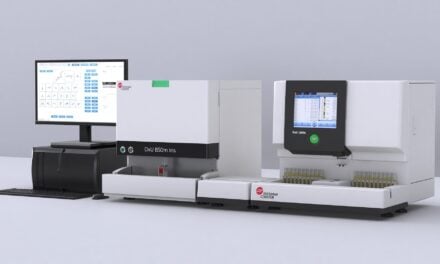
The XR-Series features higher throughput and enhanced analytics to streamline daily laboratory operations.
The assay is CE marked under the European Union In Vitro Diagnostic Regulation and identifies resistance genes to help prevent hospital-acquired infections.
New updates include expanded capabilities for microbial identification and advancements in sepsis diagnostics and sequencing workflows.
The new capability helps clinicians determine if a patient's infection will respond to gepotidacin before prescribing the treatment.
The NCCN has updated its guidelines to recommend cerebrospinal fluid-based molecular profiling for inoperable high-grade gliomas and glioblastomas, expanding indications for liquid biopsy in CNS cancer care.
The cobas liat system delivers PCR results in 15 minutes, detecting and differentiating between three Bordetella pathogens including whooping cough.
The screening tool identifies specific molecules produced by gut bacteria to distinguish children with autism from typically developing peers.