AI Prostate Cancer Test Enters Clinical Use in Puerto Rico
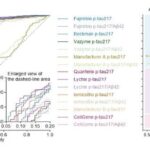
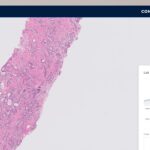
The test analyzes digital biopsy images to help predict treatment response and long-term outcomes for patients with localized prostate cancer.
The funding will support manufacturing and commercial partnerships for a system that analyzes multiple protein targets in less than two hours.
A new position statement warns that albumin-adjusted calcium formulas are unreliable and may lead to patient misclassification.
Early results indicate the process could reduce sample preparation time by approximately 40% to 50%, while improving consistency by removing variability linked to staining conditions.
Tecan has integrated agentic AI, powered by NVIDIA’s BioNeMo Agent Toolkit, into its Introspect laboratory analytics platform to enable proactive operations and improve productivity in clinical labs.
Research suggests that only 12% of men receiving testosterone prescriptions underwent appropriate testing.
The new technologies address library normalization and amplification accuracy for high-throughput and oncology sequencing.
Elevated donor-derived cell-free DNA levels are linked to higher kidney transplant failure risk, suggesting earlier detection of allograft injury before loss of kidney function.
The assay is CE marked under the European Union In Vitro Diagnostic Regulation and identifies resistance genes to help prevent hospital-acquired infections.
The noninvasive method uses paper spray and mass spectrometry to identify disease biomarkers in less than 30 seconds.
The Fleming Initiative and Cepheid have launched a 30-month study in England to compare rapid molecular and traditional culture screening for drug-resistant carbapenemase-producing Enterobacterales in hospital settings.
The agreement combines extraction and PCR technologies to create an end-to-end workflow for DNA and RNA analysis.
The cobas liat system delivers PCR results in 15 minutes, detecting and differentiating between three Bordetella pathogens including whooping cough.
The screening tool identifies specific molecules produced by gut bacteria to distinguish children with autism from typically developing peers.